23 June 2026
Cosmic Wonder in German: Littrow's Revolutionary Popular Astronomy of 1837
Discover the remarkable 1837 edition of Die Wunder des Himmels by Joseph Johann von Littrow, a groundbreaking work that brought astronomical knowledge to the masses through accessible German prose and beautiful engravings.
A Pioneer of Popular Astronomy
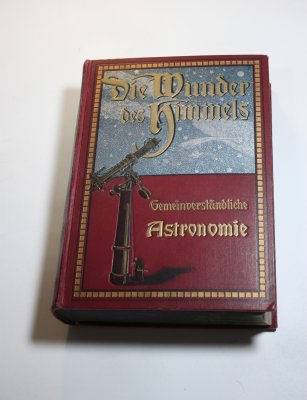
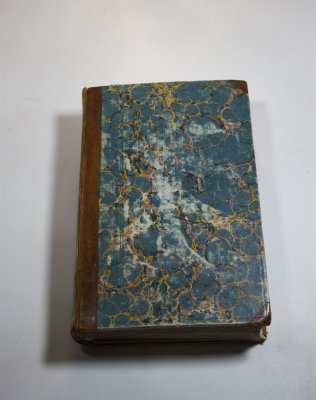
Die Wunder des Himmels (The Wonders of the Heavens) represents a crucial moment in the history of scientific communication. Published in 1837 by Hoffmann in Stuttgart, this remarkable volume demonstrates how Joseph Johann von Littrow revolutionized the way astronomy was presented to ordinary readers during the nineteenth century. Rather than restricting celestial knowledge to academic circles, Littrow crafted an elegant bridge between professional astronomers and educated German-speaking audiences hungry for cosmic understanding.
About the Author: Joseph Johann von Littrow
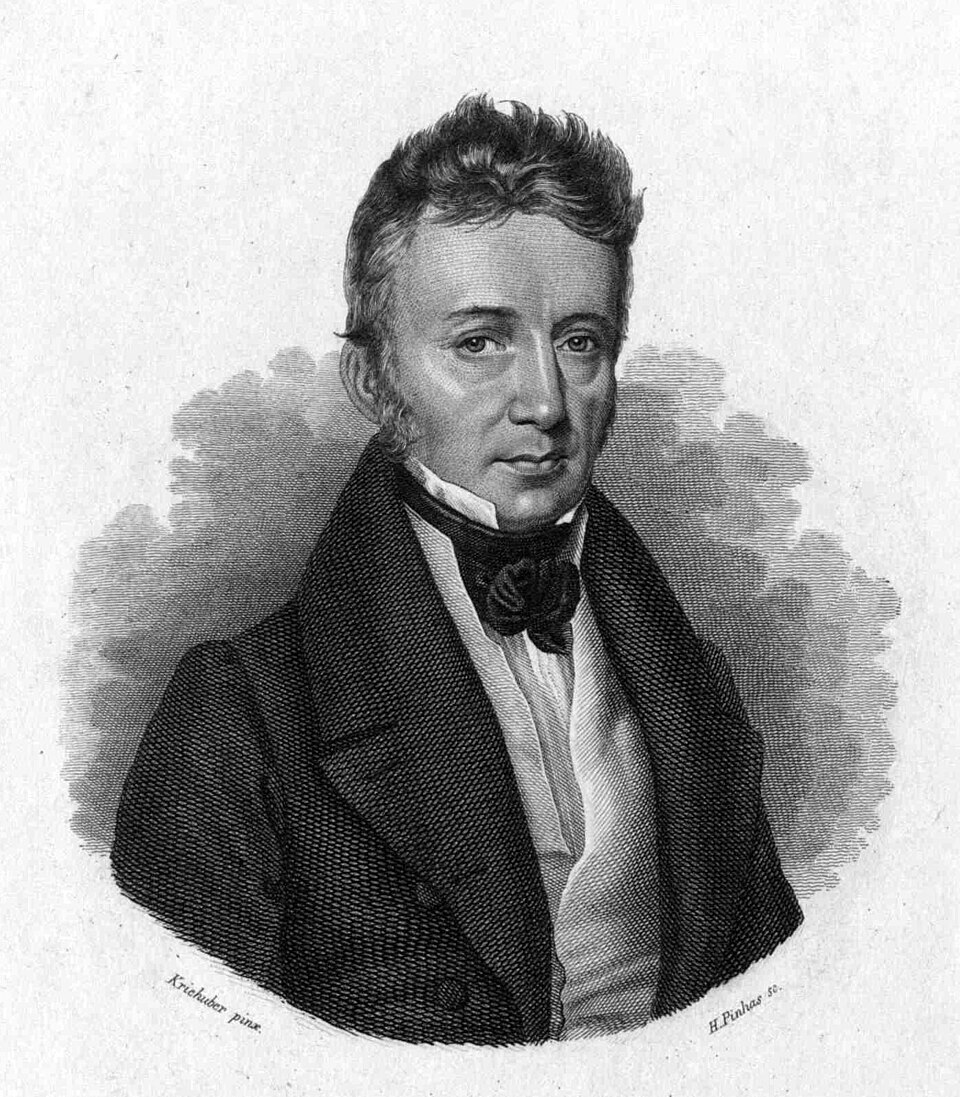
Joseph Johann von Littrow (1781-1840) was an Austrian astronomer of considerable distinction whose career spanned the exciting period of rapid astronomical advancement. Born in Ansbach, Bavaria, Littrow became the director of the Vienna Observatory and made significant contributions to observational astronomy and meteorological science. What set him apart from many of his contemporaries was his unwavering commitment to making science accessible—a philosophy that Die Wunder des Himmels embodied perfectly.
The Book's Significance and Rarity
This 1837 Stuttgart edition holds particular value for several reasons. First, it represents an early example of scientific democratization, at a time when most astronomy books remained densely mathematical and accessible only to trained scholars. Littrow's approach was refreshingly different: he combined rigorous scientific accuracy with engaging prose that could captivate the intelligent layperson.
The physical production of this edition further enhances its appeal to collectors. The volume features an author portrait on the frontispiece—a common practice that helped readers connect with the scientist behind the words. More impressively, it includes 23 detailed engravings that illustrate astronomical phenomena, celestial charts, and observations. These hand-crafted illustrations were expensive to produce, making each copy a significant investment. The quality and clarity of these plates in surviving copies vary considerably, making well-preserved examples increasingly scarce.
Why This Edition Matters Today
For collectors of rare scientific books, Die Wunder des Himmels offers multiple layers of appeal. It documents the crucial nineteenth-century transition when astronomy transformed from an elite pursuit into a subject of popular interest. The German language edition is particularly valuable because it served German-speaking Europe, a region with deep astronomical traditions and a sophisticated reading public.
The condition described—"Muy bueno" (very good)—indicates a well-preserved copy that has survived nearly two centuries remarkably intact. Books of this era frequently suffered from foxing, binding deterioration, and plate damage, making quality survivors increasingly difficult to locate.
Conclusion
Whether you're an astronomy enthusiast seeking to understand how scientific knowledge was transmitted in the nineteenth century, or a rare book collector appreciating the marriage of educational content and fine printing, the 1837 Stuttgart edition of Die Wunder des Himmels stands as a testament to Joseph Johann von Littrow's vision of astronomy for everyone. It remains a treasure worth seeking out.
Works by this author in our catalogue